Writing against the algorithm
A short argument for publishing in places that don't optimise for you, and for readers who arrive on purpose.

There is a difference between being read and being recommended. It is worth taking the time to know which one you want.
The quiet shape of an idea
There is a particular kind of pleasure in returning to a piece of writing after it has had time to settle. The sentences look at you differently. Some have grown weightier. Others, weightless, ask to be removed entirely.
Most of what I write begins as a small observation — a single image, an overheard phrase, a question that refuses to leave. I keep these in a plain text file and let them sit for as long as they need.
The best ideas are patient. They do not announce themselves; they accumulate.
Working in the open
Working in public is a deliberate constraint. It changes the kinds of decisions you make and the speed at which you make them. It is not, as is sometimes claimed, simply a marketing tactic.
A shorter feedback loop
The most useful effect is the shorter loop between intention and response. A piece published this morning may be read by a hundred people before lunch, and a thoughtful reply will arrive that reshapes the next draft.
- Write first, edit later — but never publish without editing.
- Trust the reader’s intelligence. Cut anything that explains too much.
- Prefer the concrete to the abstract.
A note on tools
The tools matter less than people imagine, but they matter. A good editor disappears. A bad one inserts itself between you and the thought you were chasing.
// a small helper I keep returning to
const words = (text) => text.trim().split(/\s+/).filter(Boolean).length;
Closing
If there is a single thread running through these notes, it is this: do the work, do it slowly, and let it be plain. Readers will meet you the rest of the way.

Hook this up to your favourite commenting platform — Giscus, Disqus, or your own.
Continue reading
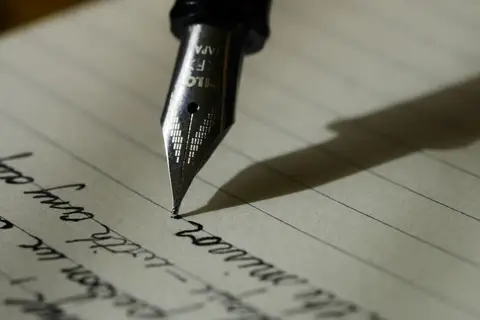
The quiet craft of writing on the web
Notes on publishing slowly in a fast medium, and why the open web still rewards patience and care.

Field notes from a small harbour
A week of walking, reading, and watching the boats come in. What slow places teach about attention.

Building tools that disappear
The best software for thinking gets out of the way. A short meditation on restraint as an engineering value.